Training Guide

Everything you need to know to cross that finish line — safely, strongly, and with a smile.

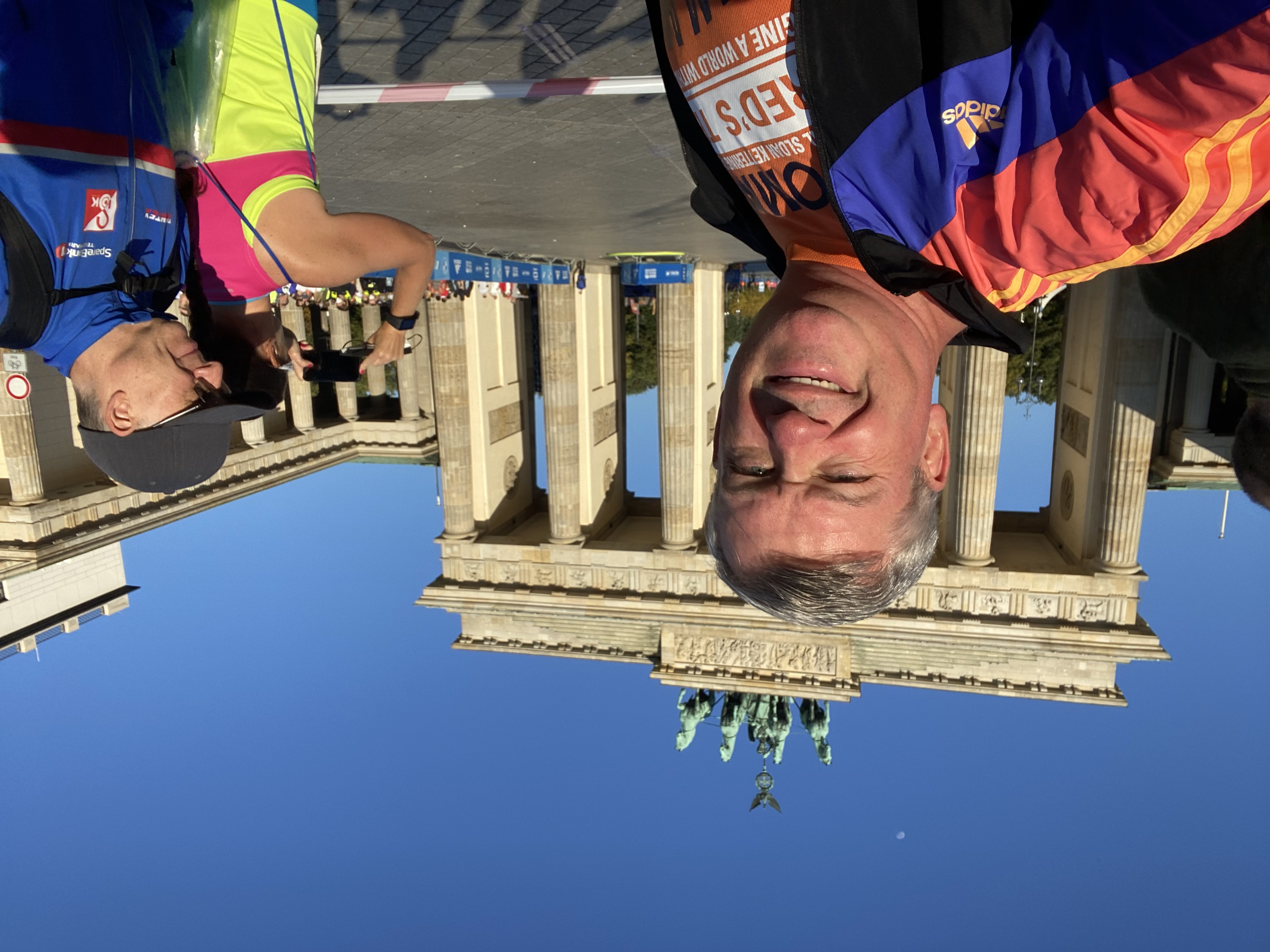
Fred's Team Mark runners on a group training run
Our Approach

Train Smart, Run Strong

The NYC Marathon is 26.2 miles. Preparing for it takes 16–20 weeks of structured training. Our team follows a modified version of the Hal Higdon Marathon Training plans, adapted for charity runners of all ability levels.

We emphasize injury prevention, consistent mileage buildup, and making training enjoyable. Many of our runners hold full-time jobs and families — our plans are designed to fit into real life.

Training starts in earnest in June/July for the November race. But we encourage year-round running to build your base. Here's how we approach each phase.

  • Structured 16-week training plan
  • Weekly virtual check-ins for all team members
  • NYC-area group training runs on weekends
  • Expert guidance from experienced marathoners
The Road to Race Day

The Journey to the Start Line

Marathon training isn't just 18 weeks — it's a year-round commitment. Here's how we break down the full calendar leading up to November.

Phase 1

Base Building

Jan – May
3–25 miles / week

Building aerobic base, establishing routine. 2–4 runs per week including one long run.

Phase 2

Mileage Build

June – July
30–35 miles / week

Long runs to 14–16 miles. Introduction of tempo runs and speedwork.

Phase 3

Peak Training

Aug – Sep
35–45 miles / week

Long runs up to 20 miles. 3-week peak before taper begins.

Phase 4

Taper & Race

Oct – Nov
Back to 20–25 miles

Trust your training. Race day is the first Sunday in November.

Your Training Tool

Free Full Coaching Access — A $2,400 Value

Every FredsTeamMark runner gets complimentary access to a powerful, professional-grade training platform for the entire race year.

Run4Why Training App

World-Class Coaching at Your Fingertips

All Team Mark runners receive free access to the Run4Why Training App at the Full Coaching tier — a $2,400 value — for the entire year you run with Fred's Team. This isn't a generic training plan — it's personalized, coach-directed marathon preparation.

  • Full Coaching tier — the same level used by elite athletes
  • Personal training from certified running coaches
  • Personalized plans built around your current fitness and schedule
  • Year-round access — not just during the 16-week race cycle
  • Progress tracking, workout logging, and coach feedback
  • Exclusive to FredsTeamMark members — included with team membership
Open the App Join the Team to Get Access
🏃
$2,400
Value — Yours Free

Full Coaching access to Run4Why — personalized plans, certified coaches, and year-round support — included free for every FredsTeamMark runner.

Know Your Runs

Essential Workout Types

Marathon training is not just about logging miles. Understanding what each run is for — and doing it at the right effort — is what separates finishers from strugglers.

🏃

Long Run

The cornerstone of marathon training. Done on weekends at an easy, conversational pace (1–2 min/mile slower than goal race pace). Never skip your long run.

😌

Easy Run

80% of your training should be at an easy effort. You should be able to hold a full conversation. Don't let ego make your easy runs too fast — this causes injury and burnout.

Tempo Run

A comfortably hard effort held for 20–40 minutes. Builds lactate threshold. Should feel like a 7/10 effort — hard but sustainable.

Speedwork

Track intervals or fartlek runs. 1–2x per week max. Builds leg turnover and efficiency. Caution: highest injury risk — warm up properly.

🏍

Cross-Training

Cycling, swimming, yoga, or strength training. Gives your joints a break while maintaining fitness. Especially valuable if dealing with minor soreness.

😴

Rest Days

Non-negotiable. Your body repairs and gets stronger during rest. Skipping rest days is the #1 mistake eager runners make.

Fuel & Equipment

Nutrition & Gear

What you eat and what you wear matters as much as the miles you log. Here's what our experienced runners recommend.

🍳 Pre-Run

Eat 2–3 hours before runs over 10 miles. Something easily digestible: banana + peanut butter, toast with eggs, oatmeal.

🏈 During the Race

Take a gel every 45–60 minutes. GU Roctane or similar. NYC Marathon has Gatorade and water at every mile.

💦 Hydration

Don't wait until you're thirsty. Drink at every water station during the race. Train with sports drinks so your stomach is ready on race day.

✅ Post-Run Recovery

Eat within 30–45 minutes of finishing a hard workout. Protein + carbs combo is ideal. Chocolate milk is a surprisingly effective recovery drink.

🍝 Race Week Carb Loading

Start 3 days before the race. Increase carbohydrate intake by 25–30%. Pasta, rice, potatoes. Keep fat and fiber low. Stick to foods you know — race week is not the time to experiment.

👞 Shoes

Invest in a proper running shoe fit at a running specialty store (like JackRabbit in NYC). For marathons, slightly more cushion than your training shoes is ideal. Break in any new shoes with at least 100 miles before race day.

👕 Clothing

Moisture-wicking fabrics only. Cotton is the enemy for long runs. Anti-chafe shorts or compression tights for runs over 10 miles. Body Glide everywhere.

⌛ GPS Watch

A GPS watch is invaluable for tracking pace and distance. Garmin and Apple Watch are both solid choices. Learn your easy pace before race day.

💧 Hydration Pack

For runs over 12 miles, especially in summer, carry a small hydration vest or belt. NYC Marathon has excellent water stations so you won't need one race day.

🍭 Race Nutrition

GU Roctane, Clif Shot Bloks, or similar gels. Train with them before race day — your gut needs practice too. Never try new nutrition on race day. This rule has saved many marathons.

Got Questions?

Training FAQs

The questions every new Fred's Team Mark runner asks. Answered honestly by veterans who've been there.

Yes! With 16–18 weeks of training, almost anyone can complete a marathon. Many first-time marathoners run/walk the course. Our team supports all pace levels and there is no minimum speed requirement. The finish line is the only goal.
The beginner plan requires 4 days of running per week. The intermediate plan 5 days. You can complete the marathon on less, but more consistent training generally leads to better results and less injury risk.
Injuries are common but manageable. Most can be treated with rest, ice, and reduced mileage. Reach out to your team captains immediately — we have resources and advice for common running injuries. Never run through pain. The marathon will happen again next year; your body has to last a lifetime.
Many of our team members have worked with personal coaches, especially first-timers. Fred's Team provides some coaching resources. We can recommend coaches in the NYC area if you'd like personalized guidance beyond what our team plans offer.
Easy runs should be at a conversational pace — if you can't speak in full sentences, slow down. For your target marathon pace, use a recent race time and a calculator like McMillan Running (mcmillanrunning.com) to get personalized pace zones.
Morning is generally preferred, especially in summer, to avoid heat. Most NYC-area group runs happen Saturday mornings. Try to do your long runs at roughly the same time as your marathon start wave — your body adapts to when you train.
You should do at least one run of 18–20 miles before the marathon. Some runners cap at 18 miles and find they do great on race day with proper taper and nutrition. The taper and race-day adrenaline cover the remaining distance — trust the process.
For most runners, it's not the physical challenge but the time commitment. Training for a marathon is a lifestyle adjustment. Build a schedule, communicate with your family and partner, protect your long run days, and remember why you're doing this — for MSK, for patients, for yourself.
Take the Next Step

Ready to Start Training?

Join Fred's Team Mark and get access to full training plans, group runs, coaching resources, and a community that will carry you to the finish line.

Join the Team Members Area